Support

Learn

Language

Hair Health Guide

Understand why hair loss happens, how to slow it down, and what actually works to regrow healthier hair.


  • A smiling young man with crossed arms, wearing a plaid shirt and white t-shirt, poses against a dark background.
  • A smiling young man with crossed arms, wearing a plaid shirt and white t-shirt, poses against a dark background.
  • A smiling young man with crossed arms, wearing a plaid shirt and white t-shirt, poses against a dark background.
  • A smiling young man with crossed arms, wearing a plaid shirt and white t-shirt, poses against a dark background.
  • A smiling young man with crossed arms, wearing a plaid shirt and white t-shirt, poses against a dark background.
  • A smiling young man with crossed arms, wearing a plaid shirt and white t-shirt, poses against a dark background.
  • A smiling young man with crossed arms, wearing a plaid shirt and white t-shirt, poses against a dark background.
  • A smiling young man with crossed arms, wearing a plaid shirt and white t-shirt, poses against a dark background.
  • A smiling young man with crossed arms, wearing a plaid shirt and white t-shirt, poses against a dark background.

TOPK11 is an evidence-based daily supplement, that blends proven density-boosting power with natural purity, setting a new standard for non-drug hair restoration.

TOPK11 is an evidence-based daily supplement, that blends proven density-boosting power with natural purity, setting a new standard for non-drug hair restoration.

Hair Loss Causes

The root of the problem

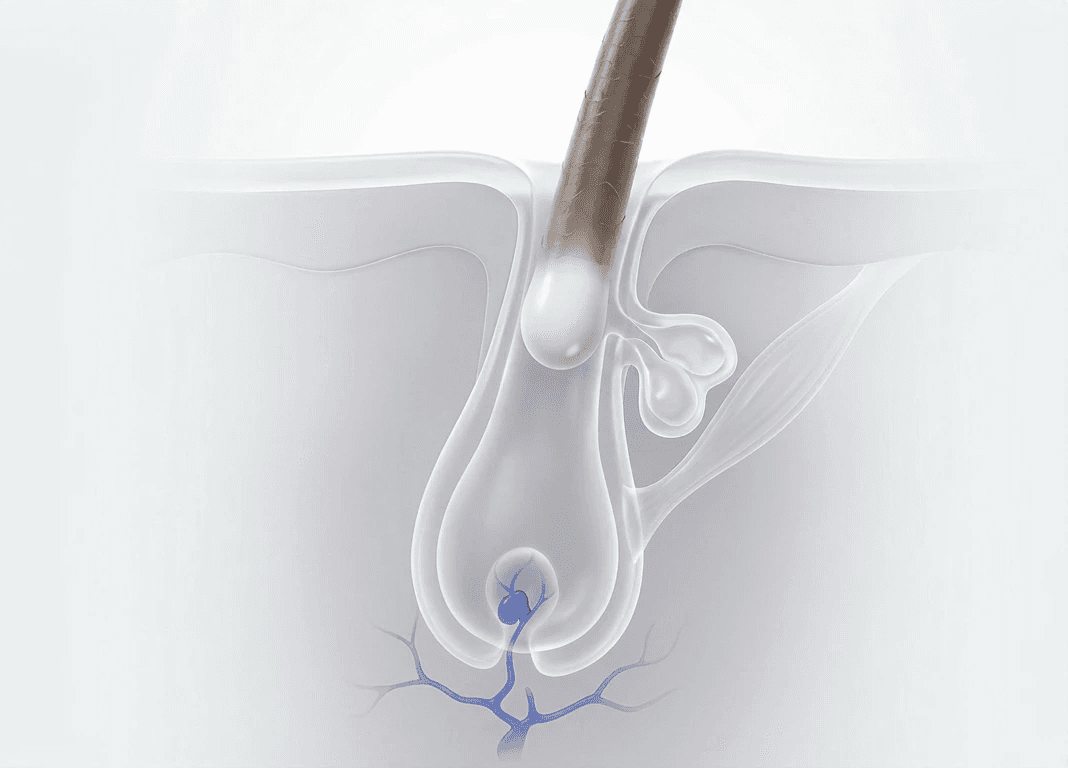
Grounded in a decade of peer-reviewed research, STL’s Nicholas Sadgrove, PhD, has identified 'the Big Eight Strikes'—the eight interconnected biological triggers that disrupt the hair follicle's natural growth cycle.

1. Androgen Hormone Imbalance

Excess DHT shrinks follicles and drastically shortens the active growth phase.

2. Prostaglandin Level Shift

Inhibitory lipids rise while growth lipids fall, blocking natural regrowth.

1. Androgen Hormone Imbalance

Excess DHT shrinks follicles and drastically shortens the active growth phase.

2. Prostaglandin Level Shift

Inhibitory lipids rise while growth lipids fall, blocking natural hair regrowth.

1. Androgen Hormone Imbalance

Excess DHT shrinks follicles and drastically shortens the active growth phase.

2. Prostaglandin Level Shift

Inhibitory lipids rise while growth lipids fall, blocking natural regrowth.

3. Sebum and Sugar Issues

Sugar is diverted to produce excess oil instead of fueling hair energy.

4. Bacterial/Fungal Overgrowth

Silent microbial infections cause inflammation that damages the hair follicle root.

3. Sebum and Sugar Issues

Sugar is diverted to produce excess oil instead of fueling hair energy.

4. Bacterial/Fungal Overgrowth

Silent microbial infections cause inflammation that damages the hair follicle root.

5. Chronic Micro-Inflammation

Immune cells attack the follicle bulge due to stress and oxidative damage.

6. Fibrosis and Scar Tissue

Hardened collagen replaces the follicle and physically prevents new hair strands.

5. Chronic Micro-Inflammation

Immune cells attack the follicle bulge due to stress and oxidative damage.

6. Fibrosis and Scar Tissue

Hardened collagen replaces the follicle and physically prevents new hair strands.

7. Circulation and Metabolism

Poor blood flow starves roots of oxygen and traps toxic waste products.

8. Essential Nutrient Shortage

Lack of vitamins and minerals creates a bottleneck blocking natural hair recovery.

7. Circulation and Metabolism

Poor blood flow starves roots of oxygen and traps toxic waste products.

8. Essential Nutrient Shortage

Lack of vitamins and minerals creates a bottleneck blocking natural hair recovery.

Early Signs of Hair Loss

The anatomy of early loss

Masked by the natural shedding cycle, we identify the microscopic reduction in shaft diameter that signals the onset of progressive follicular miniaturization.

More hair in the shower

01

Observe the Cycle

We identify the premature shift of follicles from growth to shedding. This signals a disruption in the biological clock that governs retention, leading to excessive detachment.

Quantify the Loss

We distinguish between natural daily renewal and accelerated loss. Consistent clumps indicate a systemic trigger requiring immediate nutritional intervention to stabilize the root.

Trace the Trigger

We analyze potential stressors like cortisol spikes or nutrient deficiencies. Identifying the root cause ensures we target the biological error rather than just the symptom.

Thinning ponytail

02

Measure the Mass

We detect a reduction in the overall circumference of the hair bundle. This indicates that individual strands are losing their structural diameter due to miniaturization.

Assess the Cortex

We look at the weakening of the inner protein structure. As the shaft narrows, the collective volume drops significantly even without visible bald spots on the scalp.

Project the Trend

We forecast the progression of follicular shrinkage. Catching this density drop early prevents the permanent closure of the hair follicle and preserves existing thickness.

Receding hairline

03

Map the Boundary

We track the gradual retreat of the frontal hairline. This specific pattern highlights follicles with high genetic sensitivity to circulating androgens like DHT.

Target the Hormone

We isolate the impact of hormonal byproducts on these fragile zones. Inhibiting this interaction is critical to maintaining the facial frame and preventing deep recession.

Fortify the Edge

We focus on strengthening the remaining vellus hairs at the temples. Revitalizing these weaker strands creates a resilient barrier against further loss.

Widening part

04

Analyze the Contrast

We observe the increasing visibility of the scalp along the parting line. This diffuse thinning suggests a generalized weakening of follicles across the entire vertex.

Evaluate Density

We count the active follicles per square centimeter. A widening gap signals that neighboring follicles are entering dormancy simultaneously rather than staggering their cycles.

Reactivate the Bed

We aim to wake dormant roots to fill the void. Increasing the count of active shafts restores the visual continuity and coverage of the scalp.

Slow hair regrowth

05

Time the Cycle

We notice a significant delay in the replacement of shed strands. This lag indicates the growth phase is shortening while the resting phase is dangerously prolonging.

Assess Length

We identify the inability to grow hair past a certain point. This structural stagnation confirms that the follicle lacks the metabolic energy to sustain long-term production.

Fuel the Matrix

We energize the mitochondrial function within the hair bulb. Restarting cellular metabolism is essential to extending the duration of the active growth phase.

More hair in the drain

01

Observe the Cycle

We identify the premature shift of follicles from growth to shedding. This signals a disruption in the biological clock that governs retention, leading to excessive detachment.

Quantify the Loss

We distinguish between natural daily renewal and accelerated loss. Consistent clumps indicate a systemic trigger requiring immediate nutritional intervention to stabilize the root.

Trace the Trigger

We analyze potential stressors like cortisol spikes or nutrient deficiencies. Identifying the root cause ensures we target the biological error rather than just the symptom.

Thinning ponytail

02

Measure the Mass

We detect a reduction in the overall circumference of the hair bundle. This indicates that individual strands are losing their structural diameter due to miniaturization.

Assess the Cortex

We look at the weakening of the inner protein structure. As the shaft narrows, the collective volume drops significantly even without visible bald spots on the scalp.

Project the Trend

We forecast the progression of follicular shrinkage. Catching this density drop early prevents the permanent closure of the hair follicle and preserves existing thickness.

Receding hairline

03

Map the Boundary

We track the gradual retreat of the frontal hairline. This specific pattern highlights follicles with high genetic sensitivity to circulating androgens like DHT.

Target the Hormone

We isolate the impact of hormonal byproducts on these fragile zones. Inhibiting this interaction is critical to maintaining the facial frame and preventing deep recession.

Fortify the Edge

We focus on strengthening the remaining vellus hairs at the temples. Revitalizing these weaker strands creates a resilient barrier against further loss.

Widening part

04

Analyze the Contrast

We observe the increasing visibility of the scalp along the parting line. This diffuse thinning suggests a generalized weakening of follicles across the entire vertex.

Evaluate Density

We count the active follicles per square centimeter. A widening gap signals that neighboring follicles are entering dormancy simultaneously rather than staggering their cycles.

Reactivate the Bed

We aim to wake dormant roots to fill the void. Increasing the count of active shafts restores the visual continuity and coverage of the scalp.

Slow hair regrowth

05

Time the Cycle

We notice a significant delay in the replacement of shed strands. This lag indicates the growth phase is shortening while the resting phase is dangerously prolonging.

Assess Length

We identify the inability to grow hair past a certain point. This structural stagnation confirms that the follicle lacks the metabolic energy to sustain long-term production.

Fuel the Matrix

We energize the mitochondrial function within the hair bulb. Restarting cellular metabolism is essential to extending the duration of the active growth phase.

How Hair Growth Happens

The mechanics of renewal

Driven by intricate cellular signaling, we map the three distinct phases that dictate the rhythm, density, and longevity of your hair's natural regeneration cycle.
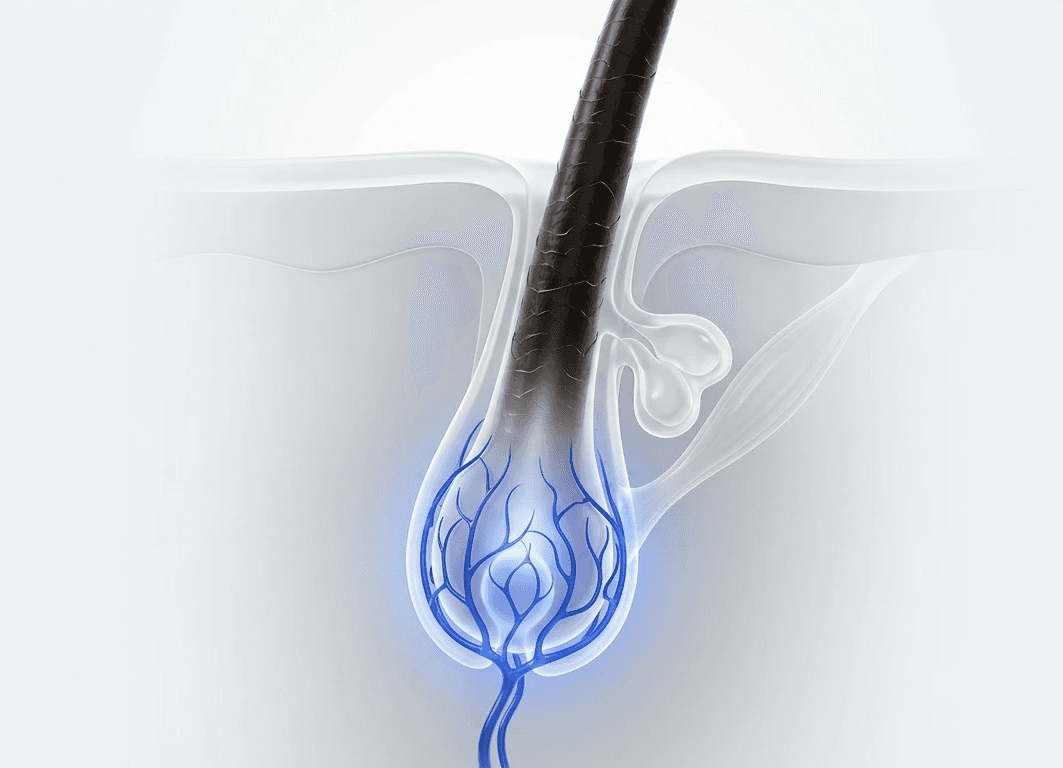
01

The engine of production

Anagen – Growth Phase

Rapid mitotic division fueled by direct blood supply. This active stage dictates the maximum length, density, and thickness of your hair.

The signal to regress

Catagen – Transition Phase

A brief interval where the follicle detaches from the dermal papilla, cutting off nutrients and shrinking the root to halt production.

02
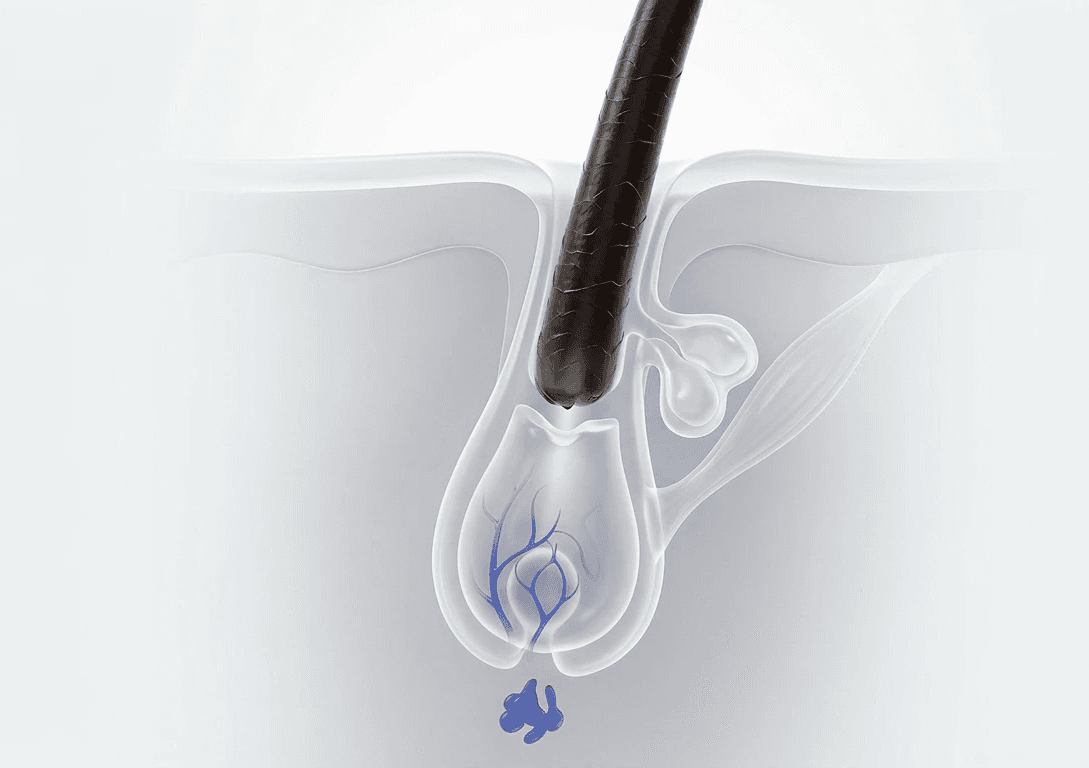
03

The dormancy and release

Telogen – Resting & Shedding Phase

The resting stage where the old strand sheds. The follicle resets its internal biological clock before signaling the start of a new cycle.

Treatments that Actually Work

The protocols of restoration

Validated by medical consensus, we detail the effective interventions that optimize the biology, chemistry, and environment governing your hair's structural recovery.

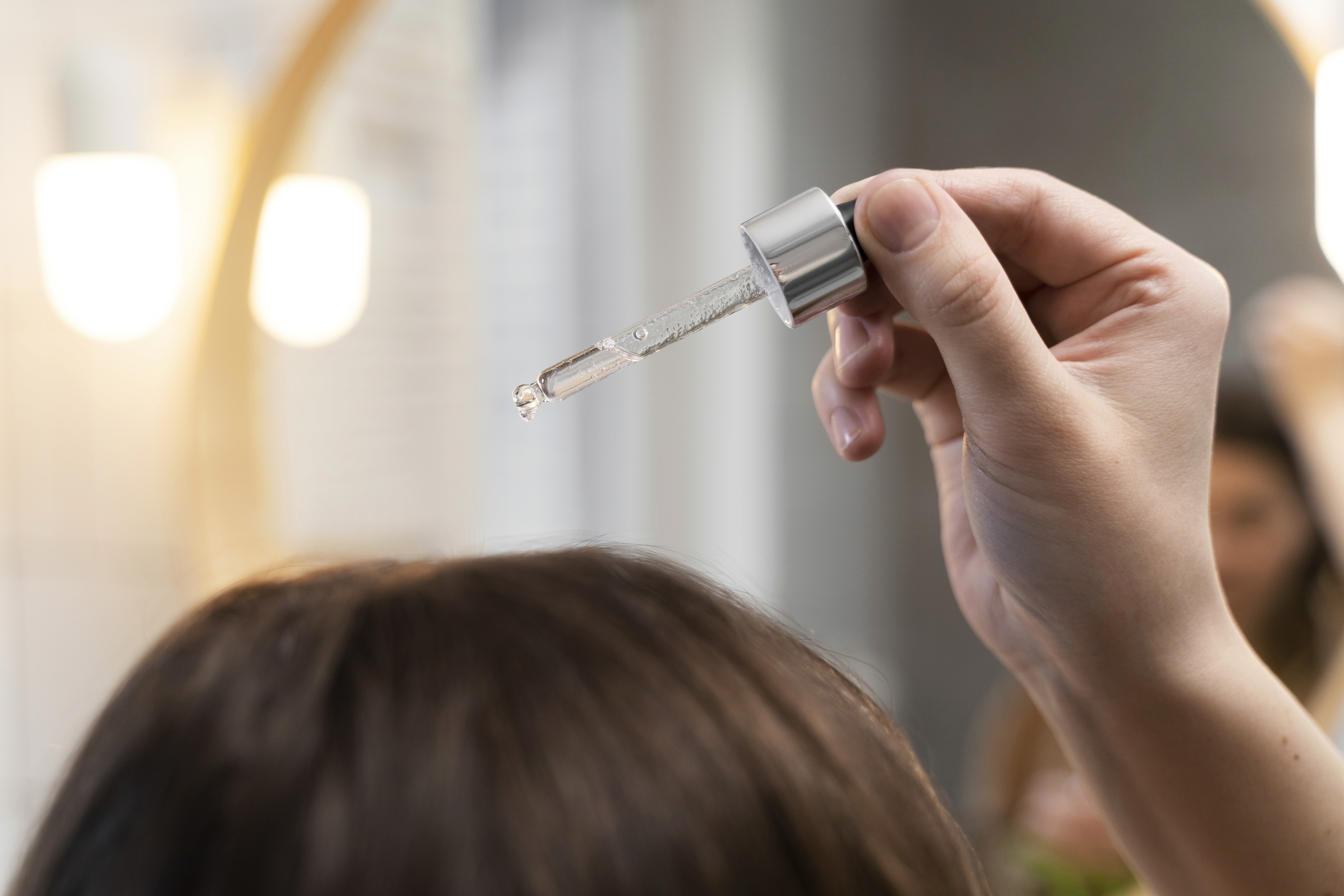
Treatment #2

Pharmacology

The established clinical interventions for chonic and progressive hair loss. Pharmaceutical-grade treatments that target specific biological mechanisms to forcibly arrest hair loss and stimulate regrowth.

Treatment #1

Lifestyle

Sleep, stress, and nutrition do not directly treat genetic hair loss, but they support healthy hair growth and help prevent other types of hair loss. They should be managed alongside proven pharmacology treatments.

Lifestyle

Sleep, stress, and nutrition do not directly treat genetic hair loss, but they support healthy hair growth and help prevent other types of hair loss. They should be managed alongside proven pharmacology treatments.

Treatment #1

Ultimate Treatment

The Ultimate Treatment:

TOPK11 Supplement

Established clinical interventions. Pharmaceutical-grade treatments that target specific biological mechanisms to forcibly arrest hair loss and stimulate regrowth.

Ultimate Treatment

The Ultimate Treatment:

TOPK11 Supplement

The established clinical interventions. Pharmaceutical-grade treatments that target specific biological mechanisms to forcibly arrest hair loss and stimulate regrowth.

TOPK11

Your Daily Step for Hair Health

Make TOPK11 a part of your wellness regimen. Our targeted formula is designed to support normal hair follicle function and overall vitality.

Order Now

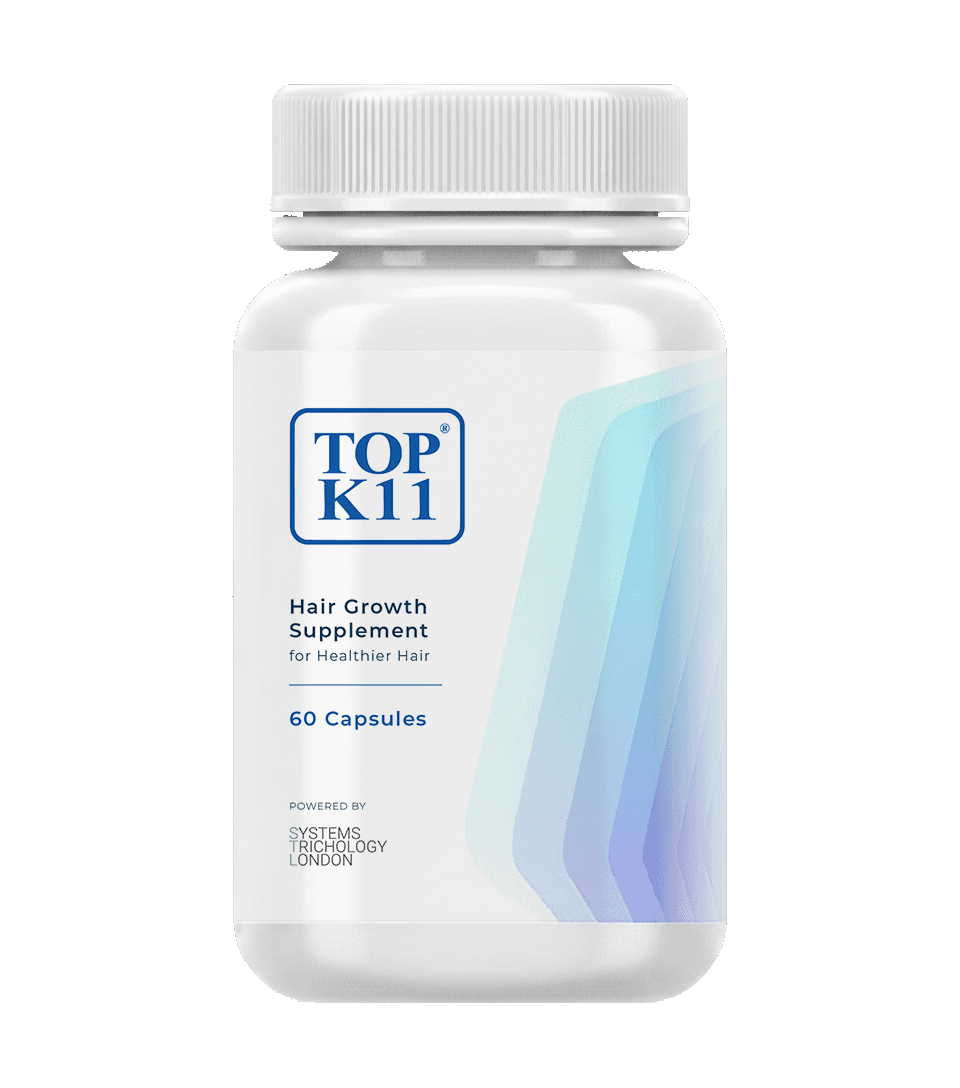
TOPK11 formula bottle for improved hair density and scalp nourishment.
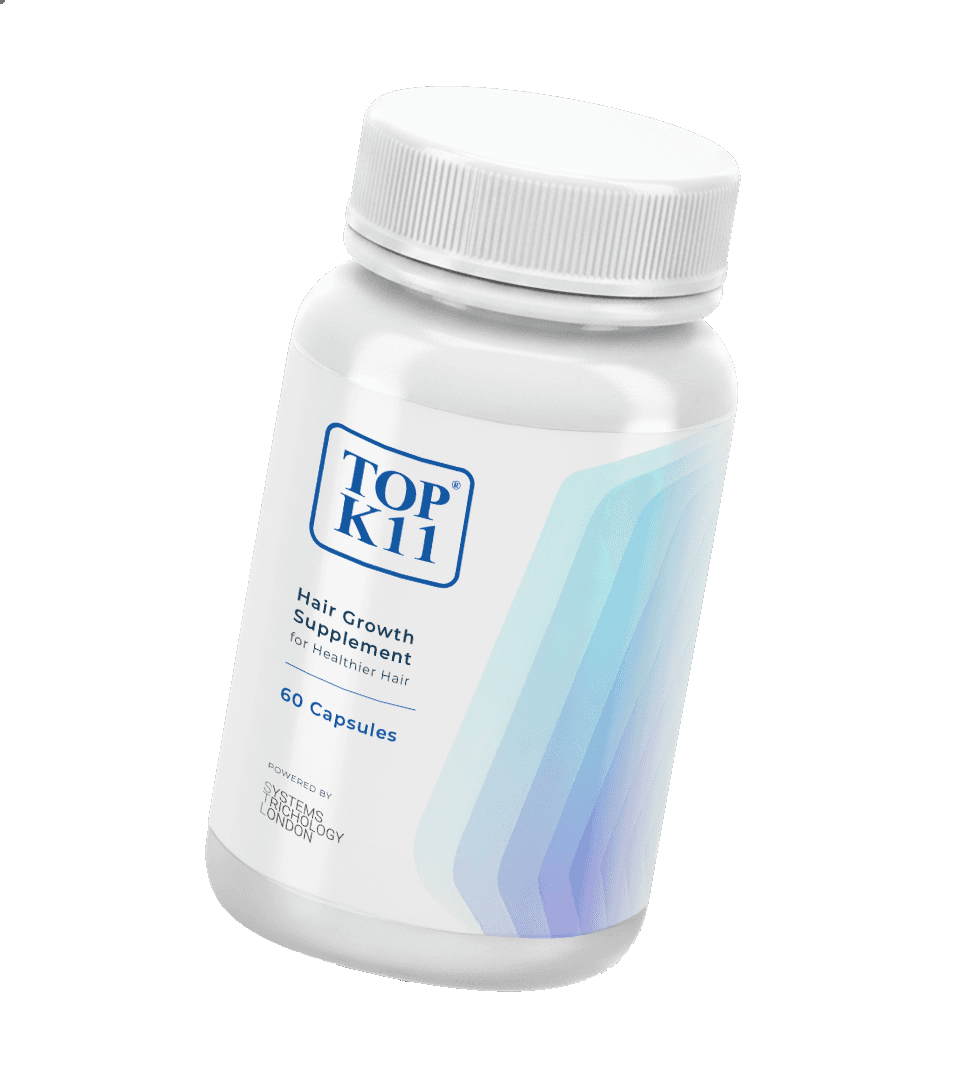
Hair fall control bottle for stress-related excessive hair loss.
Daily nutritional supplement with vitamins for hair loss deficiency.
TOPK11 daily supplement, rated best for regrowth on thinning hair.
TOPK11

Your Daily Step for Hair Health

Make TOPK11 a part of your wellness regimen. Our targeted formula is designed to support normal hair follicle function and overall vitality.

Order Now

TOPK11

Your Daily Step for Hair Health

Make TOPK11 a part of your wellness regimen. Our targeted formula is designed to support normal hair follicle function and overall vitality.

Order Now